

Profession must ‘reclaim the narrative’ over teeth whitening
Dr Ben Atkins calls for unified clinical standards after BBC exposé.
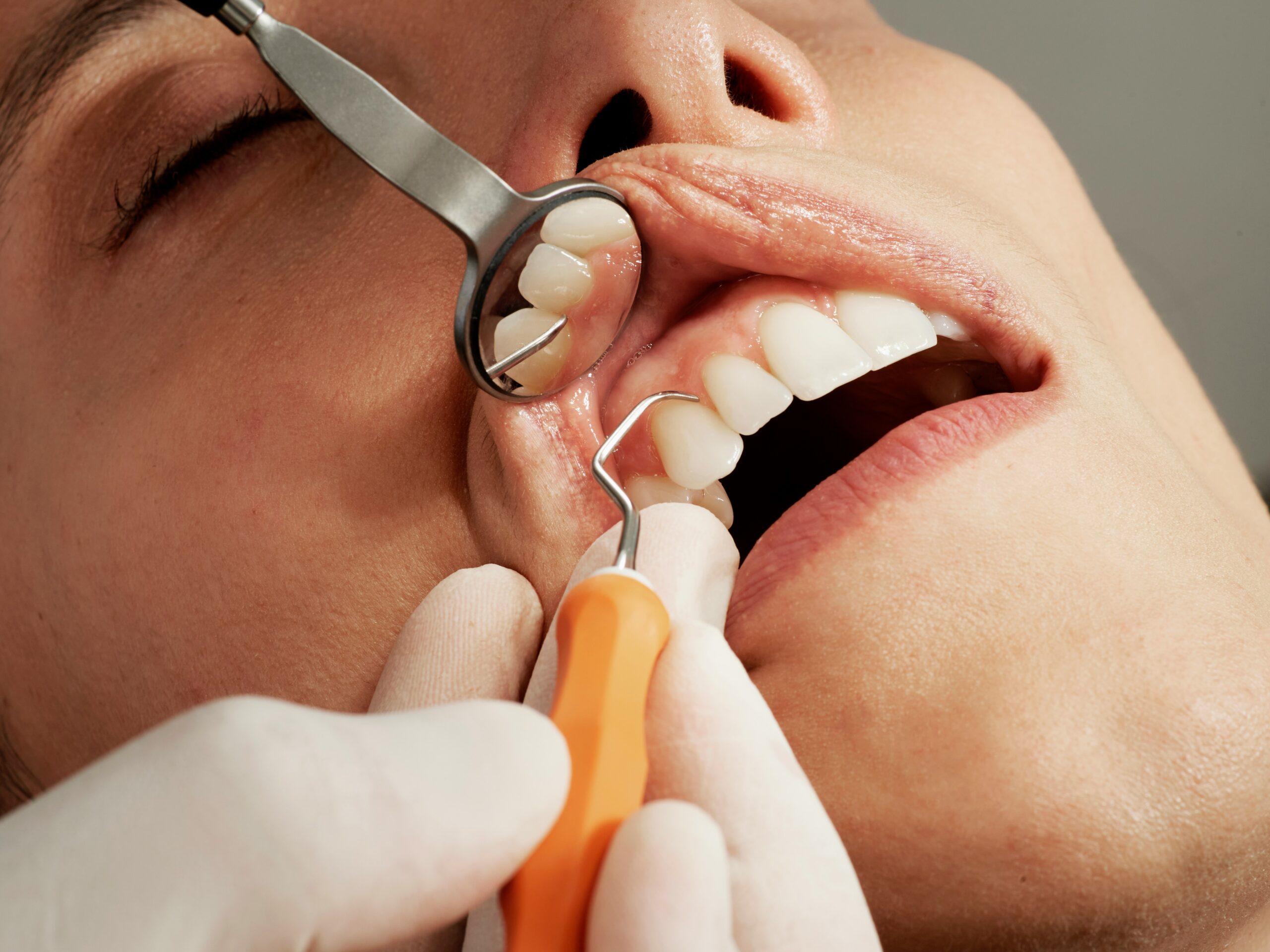
The BBC’s recent investigation into illegal tooth-whitening is an opportunity to “show patients what legal whitening looks like,” according to Dr Ben Atkins, past President of the Oral Health Foundation.
Dr Atkins described the findings of the investigation as “terrifying but sadly unsurprising. Whitening gels at 53% peroxide aren’t aesthetic, they’re chemical assaults on living tissue.
“We see the aftermath: burned gingivae, pulpitis, enamel fracture and hypersensitivity so severe patients can’t drink cold water. These are preventable harms from products that should never be in unregulated hands. Regulation exists to prevent adverse incidents such as this, but is clearly being ignored.
“Ensuring patients are dentally fit before whitening is a fundamental safeguard built into UK dental regulation. Under UK law, whitening above 0.1% hydrogen peroxide is a dental procedure and must only be prescribed or carried out by GDC-registered dental professionals using products up to 6%.
“This legal framework, underpinned by the Dentists Act 1984, GDC Standards for the Dental Team, and UK Cosmetic Products Safety Regulations, exists to protect patients through mandatory clinical assessment, consent, and supervision.”
Dr Atkins added: added “Whitening is not a beauty treatment; it’s a dental procedure that requires us to confirm oral health first. We must identify and treat caries, gingivitis, exposed dentine and/or cracks and fissures in the teeth before whitening can even be considered. Without that diagnostic step, you risk causing pain or irreversible damage.”
“The BBC footage of door-to-door sale of bleach kits damages public trust in all of us. As registered dentists we must be visible standard-bearers: educate, report, and demonstrate compliance in our own practices.”
He urged dental teams to embed whitening within auditable pathways: pre-treatment screening, signed consent, product traceability, post-treatment review and documented sensitivity management. Partnerships with industry and professional bodies can support the profession, he said.
“Companies like Philips – with its Zoom Whitening portfolio – and organisations such as the Oral Health Foundation have the credibility to amplify safety messages, supply patient-facing materials, and lobby digital platforms to remove illegal listings. When manufacturers back research-led, compliant systems, they give clinicians confidence and protect patients.
“I was recently involved in developing tooth whitening guidelines for dental professionals, which have now been published by Philips. The new Whitening Playbook is a free educational tool that serves as a valuable resource, showcasing the kind of insights needed to elevate standards and carry out best practices.”
Opportunity, not crisis
“This investigation is our chance to reclaim the narrative,” said Atkins. “Show patients what legal whitening looks like. Offer patients a safety-check consultation to assess kits they have purchased online. Make infection control and consent visible.
“When patients see the rigour involved, they can understand the significance of a legal, professional treatment – rather than defining their search by price. By underlining what is involved to protect them, ensuring they are not damaged, and that they get a good result, they can appreciate our added value.”
Atkins envisions a future where whitening is universally recognised as a clinical treatment not an aesthetic treatment: “Every practice should have a structured pathway, every patient should know the legal limits, and every team member should be able to articulate why we do it this way.
“Whitening carried out properly is safe, effective, and confidence-restoring, it is the very definition of good dentistry.”
Comments are closed here.