


Evaluating microplastics effect on the immune system
3D-printed polymers release higher levels of immunostimulatory particles than traditional ones.
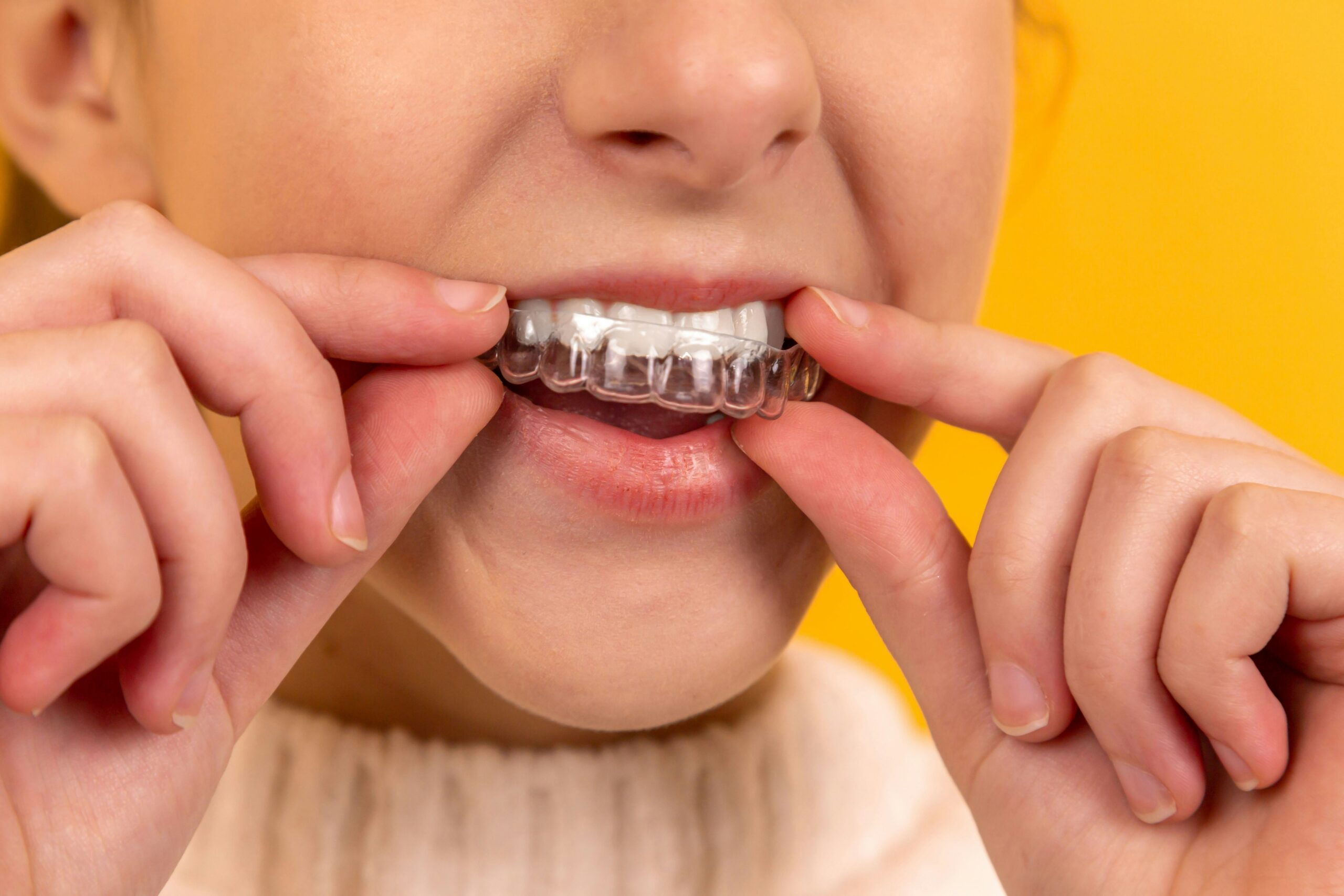
Clear aligners, retainers and sleep devices, may affect the immune system, according to a study by researchers at the University of Buffalo’s School of Dental Medicine.
Thikriat Al-Jewair, DDS, L.B. Badgero Endowed Chair and associate professor, and Stephen Warunek, DDS, clinical assistant professor in the Department of Orthodontics, collaborated with medical researchers at the University of Pittsburgh’s Thomas E. Starzl Transplantation Institute to explore how plastic orthodontic devices could affect the oral cavity and the overall health of users.
They found that these devices, particularly aligners, release microplastics and the even-smaller nanoplastics (MNPs), which are then ingested by macrophages, specialised immune cells that live inside organs and are meant to clear foreign debris and protect against infection and inflammation.
“Because microplastics do not biodegrade, they can persist inside macrophages,” said Al-Jewair. “Over time, this may trigger chronic inflammation, weaken the body’s ability to fight infection and interfere with proper wound healing.”
Their study, the first to capture live cell imaging of macrophages ingesting aligner-derived MNPs, was published in Progress in Orthodontics.
For the past 20 years, scientists have increasingly sounded the alarm regarding microplastics; fragments smaller than five millimetres that form when plastic products degrade. They infiltrate the water we drink, the food we eat and the air we breathe, posing dangers to both the environment and human health.
While there are still many unknowns about the level of harm to our bodies, these tiny plastic particles have been detected in human tissues, including the lungs, liver, placenta and even the brain. Some studies have linked microplastics exposure to cardiovascular problems, gene damage and fertility issues. The smaller the particle, the likelier it will stay inside tissues and organs.
Clear aligners are the most frequently used of the orthodontic devices tested. Typically, aligner treatment requires multiple aligner sets, with each set used for a week or two before being replaced by the next. Like traditional braces, aligners gradually move teeth into their proper position.
For the study, the team evaluated six orthodontic devices manufactured by different companies — a mix of clear aligners, retainers and sleep appliances for temporomandibular joint disorders (TMD) — to determine the severity of the microplastic shedding, along with what happens when immune cells encounter these plastic particles.
Three of the materials were produced using traditional thermoforming, while three were 3D-printed. They submerged all of them in artificial saliva, incubated and put them through a vortex mixer daily for one week. Particle release was quantified by flow cytometry and imaged by scanning and transmission electron microscopy.
They discovered that the direct-printed polymers shed a larger amount of microplastics than the thermoformed ones. Both types, however, shed measurable MNPs fragments that are readily internalized by macrophages.
Further research required
Al-Jewair said the team hoped to continue its research and, eventually, move into clinical trials. In the meantime, she emphasised that the findings are based on preliminary in-vitro studies and will need to be validated through well-designed clinical studies before any conclusions can be drawn.
Questions have arisen, such as: Are the immune responses temporary? Are they reversible? “There are still many unanswered questions,” she says, “and I hope to continue this line of research to help address them.”