


Garlic mouthwash? Hmm…
Study says it demonstrates antimicrobial efficacy and offers longer-lasting effects.
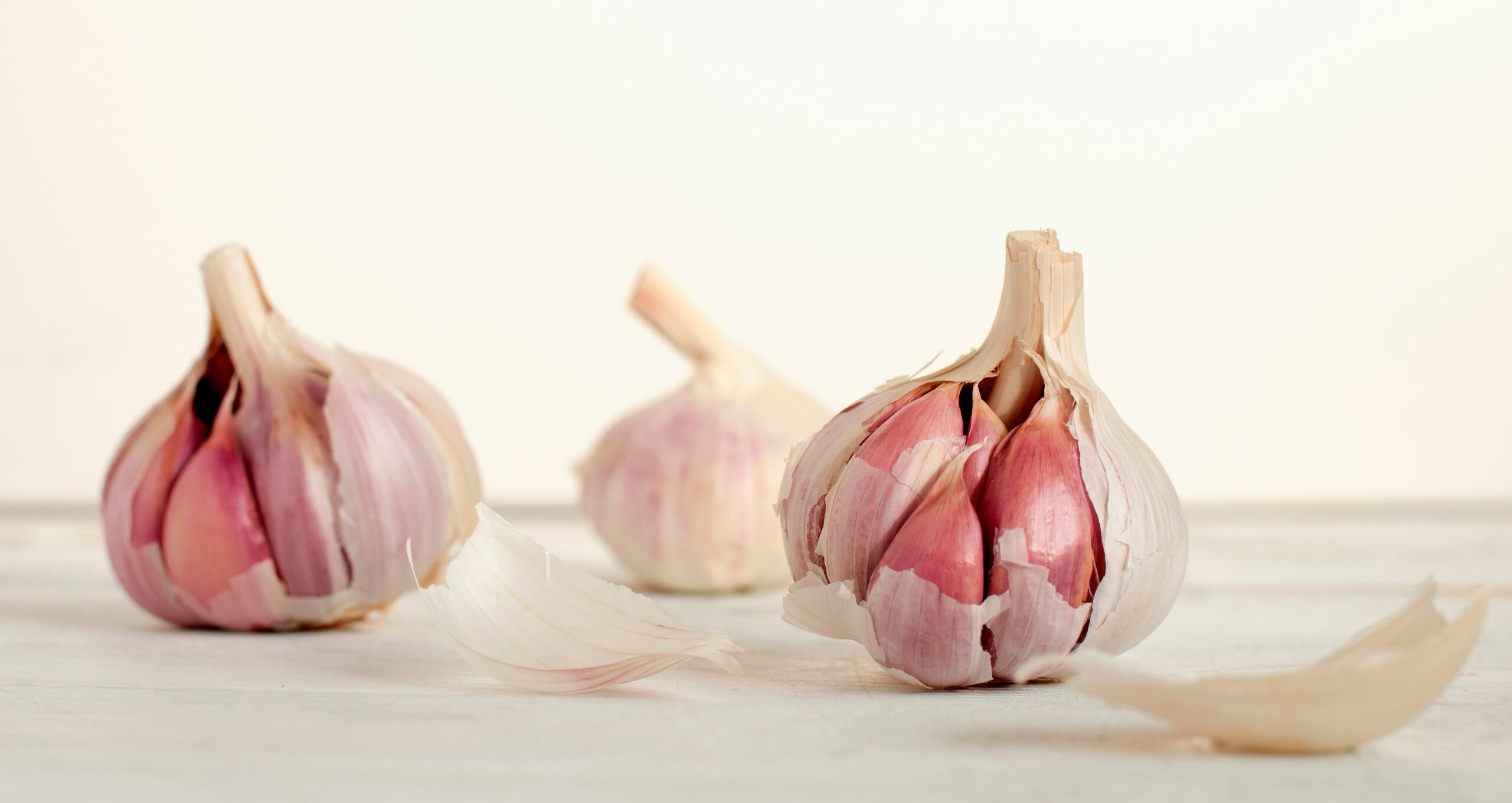
Garlic extract demonstrates antimicrobial efficacy comparable with other widely used antiseptics and disinfectants, such as chlorhexidine, according to medical scientists at the University of Sharjah in the United Arab Emirates.
Their study, published in the Journal of Herbal Medicine, suggests that while garlic-based mouthwash may cause more discomfort than chlorhexidine, it offers longer-lasting residual effects.
“Chlorhexidine is widely used as a gold standard mouthwash but is associated with side effects and concerns over antimicrobial resistance,” the authors note. “Garlic (Allium sativum), known for (its) natural antimicrobial properties, has emerged as a potential alternative.”
The findings are based on a systematic review of the literature in which the authors compare the antimicrobial efficacy of garlic extract with chlorhexidine in clinical practice, assessing its viability as a herbal substitute.
Although garlic extract is not without side effects, they are generally less severe than those associated with chemical compounds. Reported adverse reactions include a burning sensation and unpleasant odor, which may affect patients’ willingness to replace chlorhexidine with garlic-based alternatives.
Despite these limitations, the review provides substantial evidence of garlic extract’s clinical antimicrobial effectiveness, “with significant reductions in bacterial counts from baseline … suggesting the possible use of garlic extract mouthwash as a viable alternative to chlorhexidine in certain contexts.”
The authors emphasize the need for further clinical research involving larger sample sizes and extended follow-up to confirm the “effectiveness and improve clinical applicability” of using garlic as an alternative mouthwash to the currently widely used chlorhexidine, which remains the gold standard antimicrobial mouthwash.
Research has established garlic as one of nature’s most potent antibacterial and antifungal crops. For decades, scientists have sought to harness one of its compounds, called allicin, which exhibits strong antimicrobial properties. Although botanically classified as a vegetable, garlic is widely used both as a herb and a spice.
Global consumption of garlic reached approximately 30 million metric tons in 2024, with China dominating both consumption and production, accounting for nearly 80% of the global supply. In the same year, the worldwide garlic extract market was valued at over $15 billion.
Garlic extracts have found applications in various health products and are available over-the-counter. In contrast, synthetic agents such as chlorhexidine typically require a prescription from a dentist or physician.
“Antimicrobial mouthwashes constitute an essential adjunct element in oral and dental care, acting against oral diseases caused by bacteria, fungi, or viruses attacking oral hard or soft tissues,” according to the review.
“Different antimicrobial mouthwashes, whether available over-the-counter or on prescription, can be used in the management of gingivitis, dental caries, periodontal diseases, halitosis, etc.”
The review cites a host of studies demonstrating the antimicrobial activity of garlic extracts against numerous bacteria, fungi, and viruses. Additionally, it shows that garlic extracts have been investigated in different contexts, such as denture stomatitis, dentinal tubule disinfection, and as an intracanal medicament.
“These studies have contributed to understanding the antimicrobial role of garlic extract in comparison to synthetic agents like chlorhexidine,” the authors note.
Comments are closed here.