

Smart floss developed for non-invasive metabolic monitoring
It allows needle-free tracking of systemic metabolic conditions, such as diabetes and gout, alongside localised gum inflammation
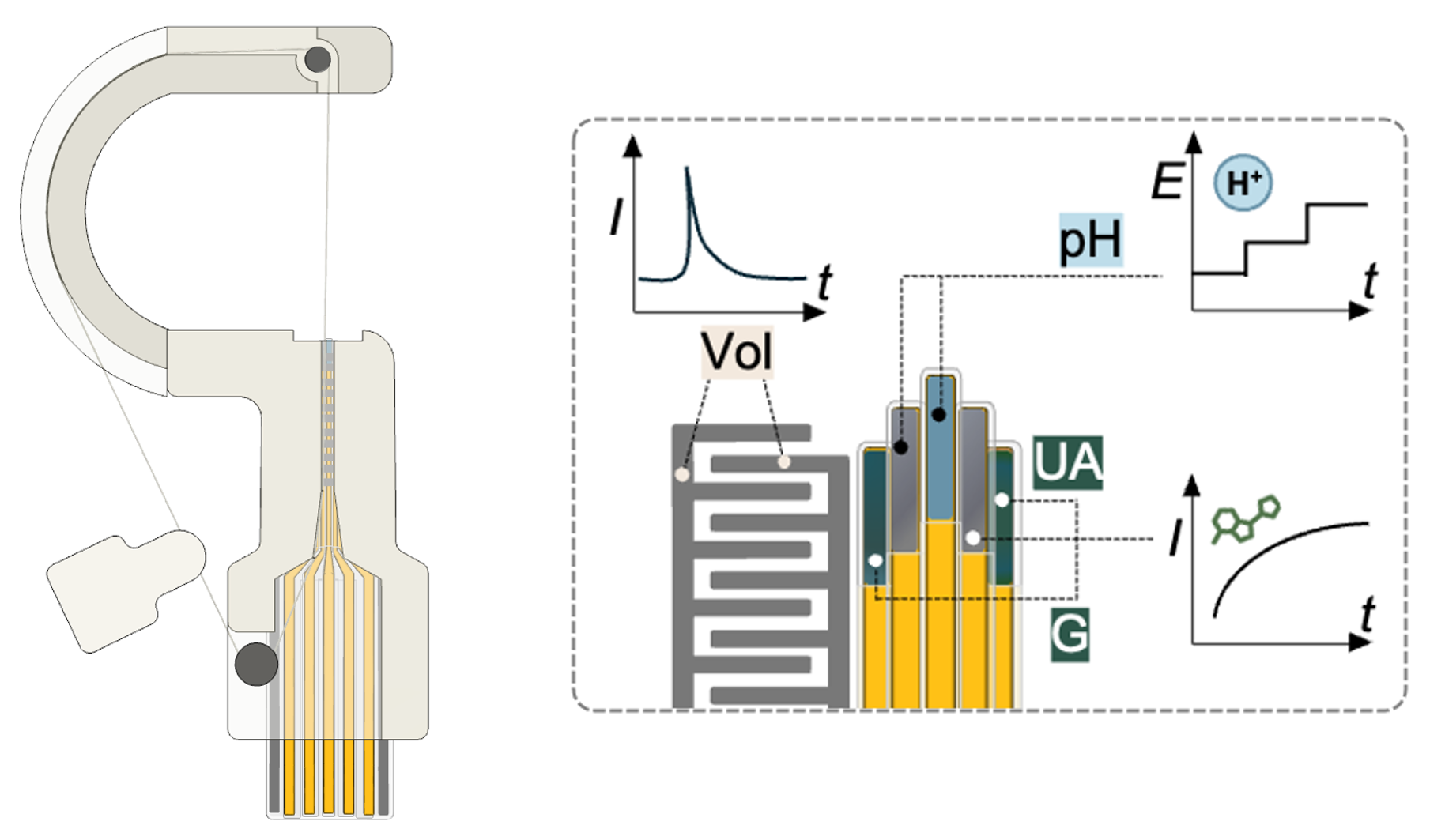
The smart floss comprises a dual-fibre sampling assembly, a mechanised pulley transport, 3D pyramidal microfluidic sensing stack and interdigitated volumetric electrodes
A ‘smart floss’ with a microfluidic channel and sensor array that can analyse native gingival crevicular fluid has been developed by researchers.
While the biological link between oral health and whole-body wellness has long been recognised, medicine has lacked practical tools to monitor both at home.
An interdisciplinary research team led by The Hong Kong University of Science and Technology (HKUST) has developed a floss that can capture and analyse native gingival crevicular fluid in seconds.
It allows simultaneous, needle-free tracking of systemic metabolic conditions, such as diabetes and gout, alongside localised gum inflammation, sending real-time results directly to a smartphone to enable proactive daily disease prevention.
Medical research has shown that oral health serves as a reliable indicator of overall health. Conditions like diabetes and chronic gum inflammation do not exist in isolation; they fuel one another in a destructive cycle.
Inflamed gums release inflammatory molecules into the bloodstream that worsen insulin resistance, while high blood sugar accelerates oral tissue breakdown, leaving people with diabetes three times more prone to severe periodontal disease. Despite this close connection, healthcare still tends to treat dental and general medicine as separate.
Monitoring blood chemistry relies on painful finger pricks that reveal nothing about oral inflammation, while painless alternatives like saliva are overly diluted, pooling everything together and masking localised disease around individual teeth.
In addition, standard dental probing only occurs during infrequent clinic visits. As a result, patients and physicians remain blind to early warning signs until irreversible tissue damage or metabolic complications have already set in.
Gingival crevicular fluid (GCF) is a serum-derived biofluid nestled in the gumline; a natural liquid that continuously seeps from tiny capillary blood vessels into the gumline crevice. Originating from blood, GCF carries a biochemical record of whole-body metabolism alongside real-time indicators of oral tissue inflammation.
However, GCF is biologically dense, viscous and prone to rapid evaporation. Its collection usually requires a dentist to slowly insert fragile paper strips beneath the gums, pool samples across multiple teeth and send them for laboratory chemical analysis, making it impractical for routine home monitoring.
The research team overcame these challenges by transforming ordinary dental floss into a micro-scale testing platform built around an existing daily habit. They engineered dual-fibre floss coated with food-grade pectin, a natural plant extract used to thicken fruit preserves.
When a user gently flosses for about 20 seconds, the subtle motion temporarily mobilises the dense fluid around the tooth, drawing a microscopic droplet between the two strands. On removal, surface tension locks the droplet into a stable liquid bridge, preventing sample loss.
Following sampling, a mechanical pulley reels the thread directly into a sealed chamber within the handle, avoiding manual contact. Inside, the droplet meets an ultra-compact sensor array that quantifies blood sugar, gout risk and active gum inflammation in three minutes.
To account for natural variations in fluid yield, a built-in volume counter and onboard microprocessor automatically adjust chemical calculations based on the exact droplet size before transmitting results wirelessly to a smartphone.
Professor Hnin Yin Yin Nyein, Assistant Professor in the Department of Chemical and Biological Engineering at HKUST, who led the research, said: “The breakthrough here is bridging the gap between daily personal care and precision medicine.
“Monitoring chronic conditions often fails because it feels painful, intrusive and inconvenient. By embedding biosensors into an everyday flossing routine, we give people an effortless window into both their metabolic health and oral inflammation, shifting care from reactive clinic visits to proactive daily prevention.”
Professor Nyein said that the team had invited people from different age groups to test the Smart Floss, including people with diabetes and varying levels of gum health. Participants responded positively, describing the device as comfortable. Elderly participants and individuals with diabetes particularly appreciated the ability to monitor their health without needle pricks.
In addition, preliminary tests showed that the Smart Floss measurements of indicators such as blood glucose and uric acid were well-correlated with blood measurements, and gum inflammation aligned consistently with standard periodontal probing examinations conducted by dental professionals.
Professor Nyein said that his team plans to conduct larger-scale studies to further improve the device’s convenience and reliability for everyday home use.