

Drinking cranberry juice benefits oral health, study finds
Contains compounds that inhibit dental plaque regrowth and plaque acid production
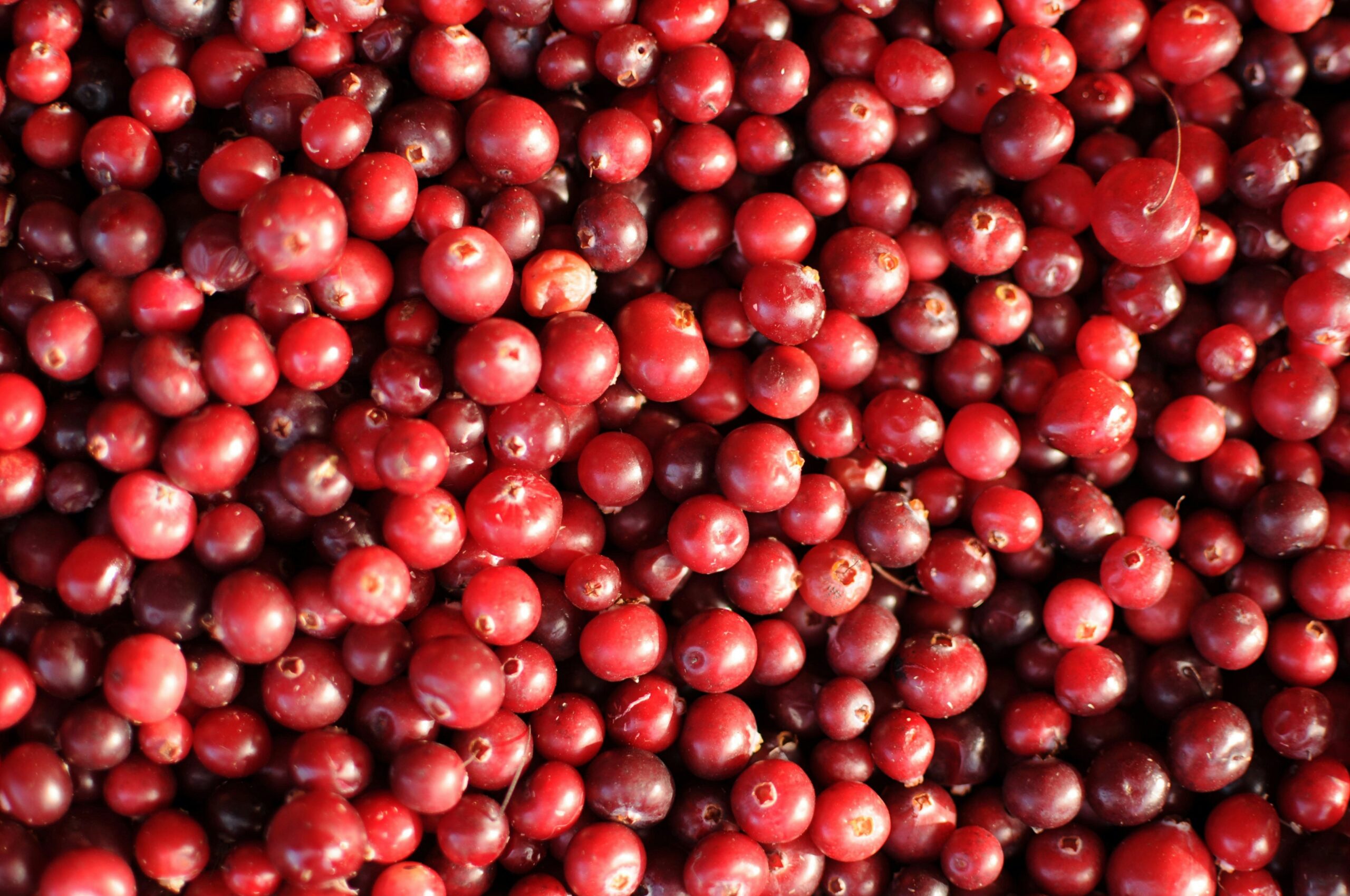
Picture by Hert Niks https://unsplash.com/@hertwashere
Anti-inflammatory compounds in cranberry juice inhibit dental plaque regrowth and plaque acid production, according to a new study.
Cranberry juice is often used to ward off urinary tract infections because the berries contain anti-inflammatory compounds called proanthocyanidins that ‘unstick’ bacteria, like E. coli, from cells.
Dr Christine Wu, a Professor in the Department of Pediatric Dentistry at University of Illinois-Chicago, wanted to see how proanthocyanidins affect dental plaque bacteria, which use sugars to produce acids that cause enamel decay.
“Just like sugar damage is linked to diet, I’m interested in how the food and beverages we consume can help combat the harmful bacteria and benefit our oral health,” Wu said.
In her study, 14 children and eight adults were randomly assigned to drink either unsweetened pure 100% cranberry juice, a cranberry juice cocktail containing 27% juice with added sugar, or water.
“It was important to us to conduct these tests with human participants and use products available on the market. Most cranberry juice studies have been conducted using laboratory-prepared cranberry juice extract. Moreover, limited studies have been performed in children,” said Dr Wu.
On the morning of the study, participants arrived with a night’s worth of plaque buildup on their teeth. Using cotton swabs, researchers collected plaque samples from one side of their mouths. The participants rinsed with water before consuming three small drafts of their assigned beverage, swishing a few times before swallowing.
Thirty minutes later, the researchers collected plaque samples from the participants’ unswabbed teeth in order to assess the beverages’ effects on these samples compared to those collected before the experiment.
The researchers found that plaque exposed to pure cranberry juice appeared to be growing more slowly than the unexposed samples. Swishing with pure cranberry juice was also linked to less acid production in both adults and children; a key factor for healthy enamel.
Dr Wu said she was excited for the potential of cranberry juice to be considered a ‘function beverage’ that benefits oral health.
“Most people think of cranberry juice as very sour, very acidic and sugary, and therefore may not contribute positively to oral health. This study found the opposite; that cranberry juice affected dental plaque regrowth and acid production which may counteract some of the damage done by sugar.” She said that adding an appropriate sugar substitute may make it more palatable.
Dr Wu said that because of the study’s small sample size and short-term testing period, additional experiments are needed to validate these results.