
Jackfruit shows promise as a treatment for periodontitis
Fruit’s latex was mixed with pomegranate peel extract and simvastatin, an anti-inflammatory drug
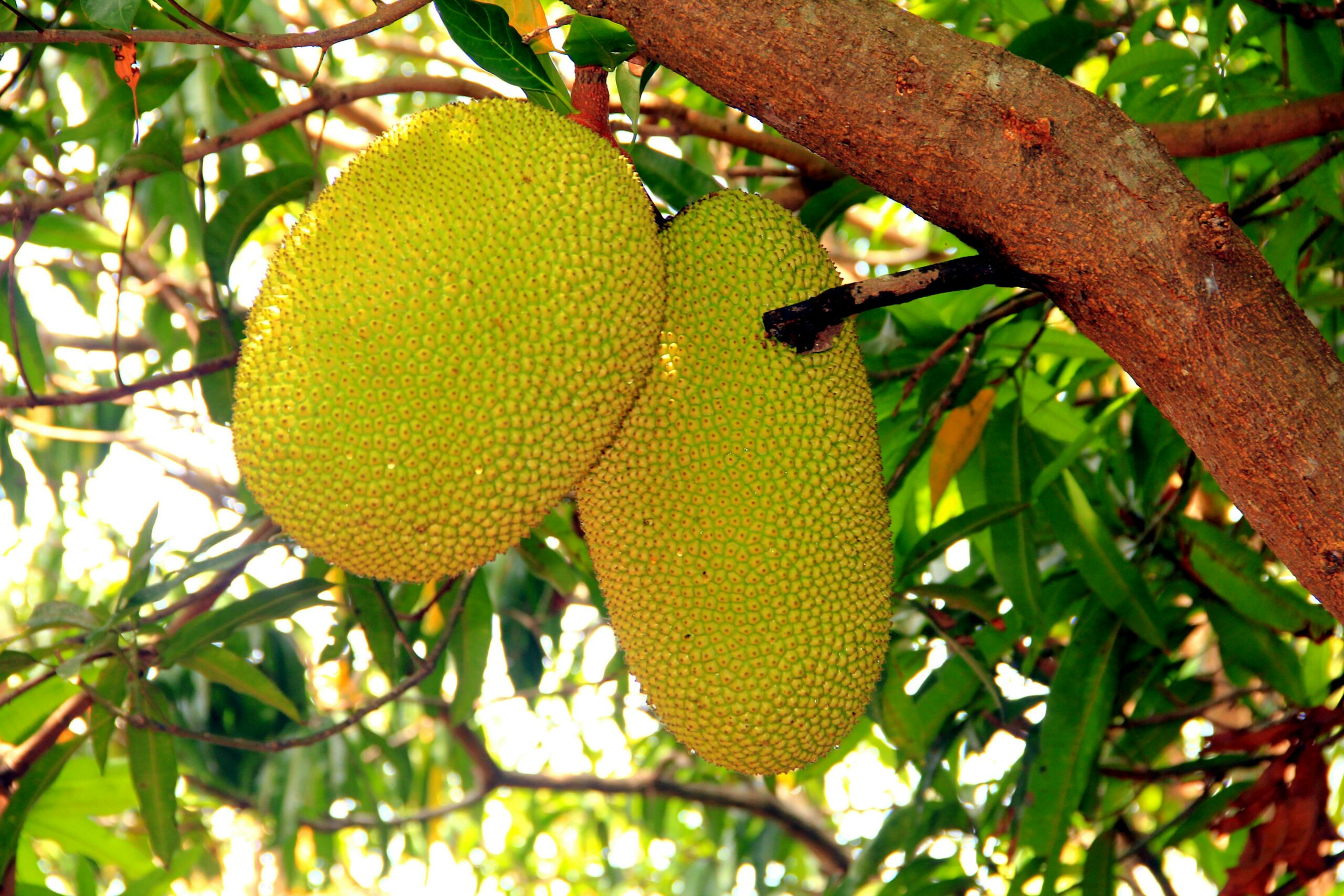
Picture by Antonio Castellano on Unsplash
A biomaterial containing jackfruit latex, pomegranate peel extract and simvastatin has been developed by researchers at the Pontifical Catholic University of São Paulo in Brazil.
Conventional treatments aim to control infection and inflammation, but they do not effectively promote the regeneration of periodontal tissues, which limits their long-term effectiveness. Techniques such as guided tissue regeneration and bone grafting have been suggested for these cases, but their clinical effects are inconsistent and sometimes unpredictable.
To address this issue, the researchers focused on exploring natural, bioactive biomaterials that could combat the condition in an integrated manner.
“We began to view latex extracted from jackfruit as an interesting alternative, as it has adhesive properties,” said Professor Eliana Aparecida de Rezende Duek, from the university’s Department of Surgery.
“This led us to believe that it could remain longer at the site affected by periodontitis, promoting a more targeted release of therapeutic compounds and potentially reducing the need for systemic antibiotic use,” explains .
The substance was combined with pomegranate peel extract, which has recognised antimicrobial potential for topical application, and simvastatin, an anti-inflammatory drug that has been studied for its ability to stimulate bone formation. This combination resulted in a mucoadhesive matrix that acts directly at the site of the lesion.
Topically applied simvastatin is also more effective since, when administered orally, the substance is predominantly retained by the liver. Only a small fraction reaches the systemic circulation, requiring higher doses that can increase the risk of adverse effects, including acute muscle degeneration.
In the study, the scientists conducted an experiment in which latex was manually extracted from freshly harvested jackfruit and underwent careful purification. Then, pomegranate peel extract was incorporated into the matrix. Throughout the study, a series of physicochemical and biological characterisations were performed to better understand the structure and behavior of the material.
An in vitro assay was conducted using human adipose-derived stem cells with a formulation of simvastatin at different concentrations (0.3%, 0.6%, and 1.2%) that did not alter the structure of the gel and are technically safe. All concentrations increased osteoinduction within 14 days, with an even more pronounced effect after 21 days. This corroborates the potential of the material for treating periodontitis.
“Overall, the results were very encouraging for us,” said Professor Duek. “We observed that the developed biomaterial has great potential for future applications in treating periodontitis and in other areas as well, especially since it involves a material that has received little attention in the scientific literature for biomedical use.
“Despite these promising results, we’re continuing to move forward with new studies to more thoroughly evaluate the efficacy and safety of the system,” she adds.
The study which was published in the journal Polymer Bulletin.
Comments are closed here.