
Building a sustainable rural workforce
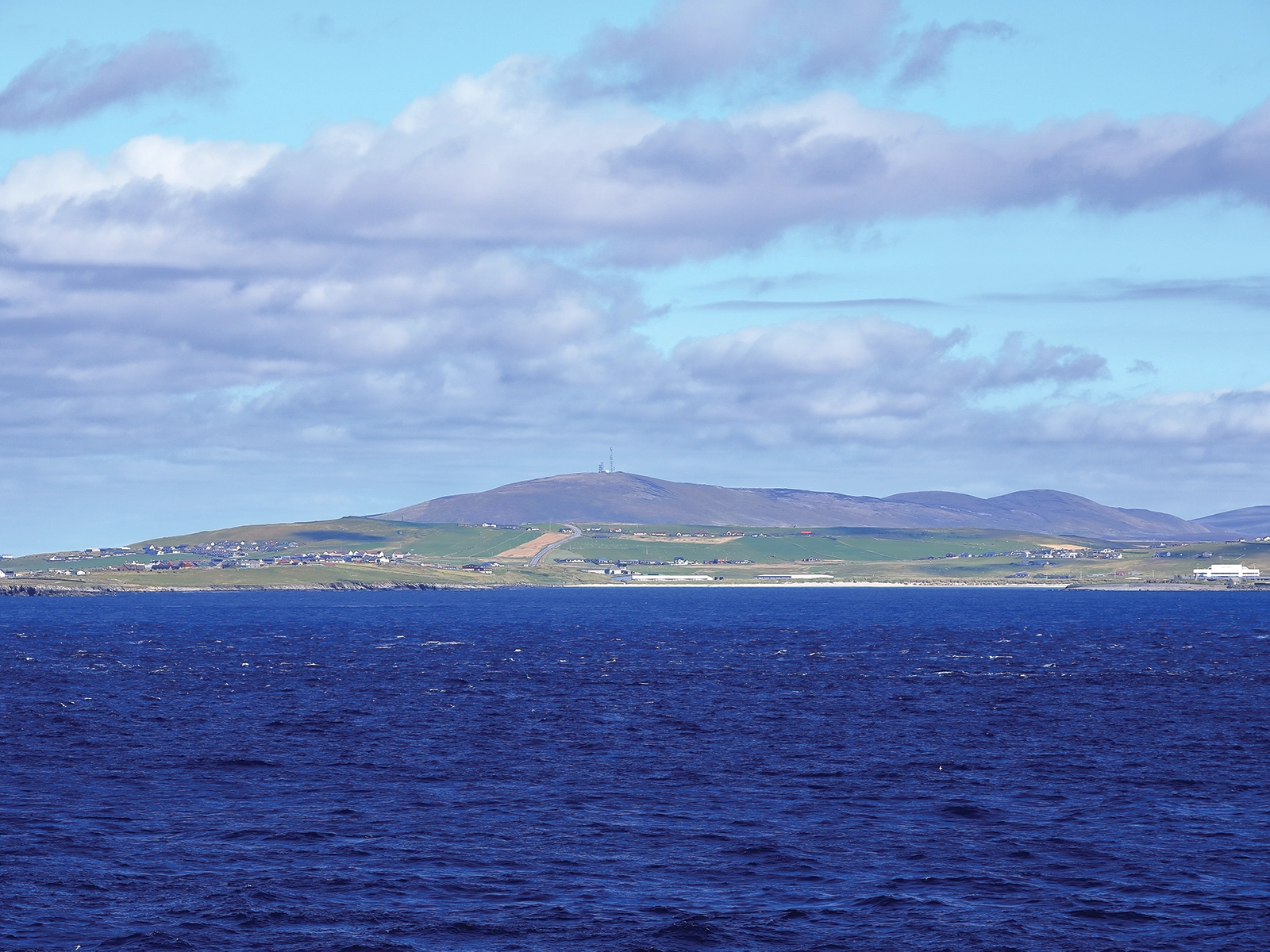
Photo: Dynamoland Shutterstock.com
A significant milestone has been reached in strengthening orthodontic services across Scotland’s rural and island communities, helping to address challenges in access to NHS Scotland orthodontic care.
An ‘Earn as You Learn’ Orthodontic Therapy Training Programme, delivered by Public Services Delivery Scotland (PSD Scotland) prepares registered Dental Care Professionals (DCPs) for the Royal College of Surgeons of Edinburgh (RCSEd) Diploma in Orthodontic Therapy.
The blended learning programme being led by PSD Scotland – a new organisation bringing together NHS Education for Scotland (NES) and NHS National Services Scotland (NSS), designed to speed up modernisation across Scotland’s health, care, and wider public services – supports structured career development while directly expanding local capacity and access to NHS orthodontic services. This begins with a four-week core programme, followed by monthly study days delivered online and in person at Edinburgh Dental Education Centre.
Workplace based clinical training forms a vital component of the programme and is conducted under the direct supervision of a General Dental Council (GDC) registered specialist orthodontist. On successful completion, participants are eligible to change their GDC registration and practice as Orthodontic Therapists.
Enhancing equity and access to training
In partnership with NHS Boards, the GDC and RCSEd, PSD Scotland has adapted the Orthodontic Therapy Training Programme to support participation from DCPs employed in Scotland’s rural and island communities.
Flexible 12- or 24-month learning routes are now available, enabling trainees to gain the required clinical competencies while remaining embedded within local services, aligned with GDC learning outcomes. Recognising the importance of addressing rural workforce sustainability, PSD Scotland prioritises a minimum of two programme places for trainees based within Scotland’s rural NHS Boards, subject to meeting entry requirements.
In 2024, four trainees based in rural NHS Boards commenced the programme, one from NHS Western Isles, one from NHS Highland and two from NHS Shetland. All have now successfully completed training and achieved the RCSEd Diploma in Orthodontic Therapy.
Antony Visocchi, Director of Dentistry, NHS Shetland, said: “Like many rural services, NHS Shetland faces ongoing recruitment challenges, further compounded by geography. Developing a ‘grow our own’ workforce has proven to be an effective and sustainable solution, enabling people to progress without the need to relocate.
“This initiative builds on our existing career pathways and extends them further, strengthening the resilience and long-term sustainability of dental services for our island communities. When the right people come together with the right attitude, great things are possible.”
In addition, three trainees based in NHS Highland and NHS Shetland completed the programme via the extended learning route. The trainee from NHS Western Isles temporarily relocated for a 12-month period to a specialist orthodontic practice in Inverness to undertake supervised clinical training. This approach ensured full exposure to specialist-led care and supervision while maintaining a clear pathway back to their local health board.
Reflecting on this experience, Lynsey Mackinnon, NHS Western Isles Orthodontic Therapist, said: “I feel very fortunate to have been given the opportunity to join the orthodontic team, contributing to the delivery of services for patients across the Western Isles while continuing my professional development. I was well supported throughout the programme, which was particularly important as I was living and working away from home.”
Joanne Bark, Director of Dentistry, NHS Western Isles said: “I congratulate GDC-registered Dental Nurse Lynsey Mackinnon on becoming part of the clinical team as an Orthodontic Therapist. Her determination in, and commitment to, working off island to gain, bring back share clinical experience will help further strengthen and expand our patient services, particularly in our more remote clinics.”
Kelly Webb, NHS Highland Orthodontic Therapist, also reflected on her experience: “Being part of the first rural cohort on the Orthodontic Therapy programme allowed me the opportunity to gain my Diploma qualification and achieve my professional development and career aspirations.
“The blended learning model and consistent support from my supervisor and PSD Scotland have strengthened my clinical knowledge and skills, and overall personal development, demonstrating how vital accessible training is for remote and rural NHS services.”
Innovative solutions for remote supervision
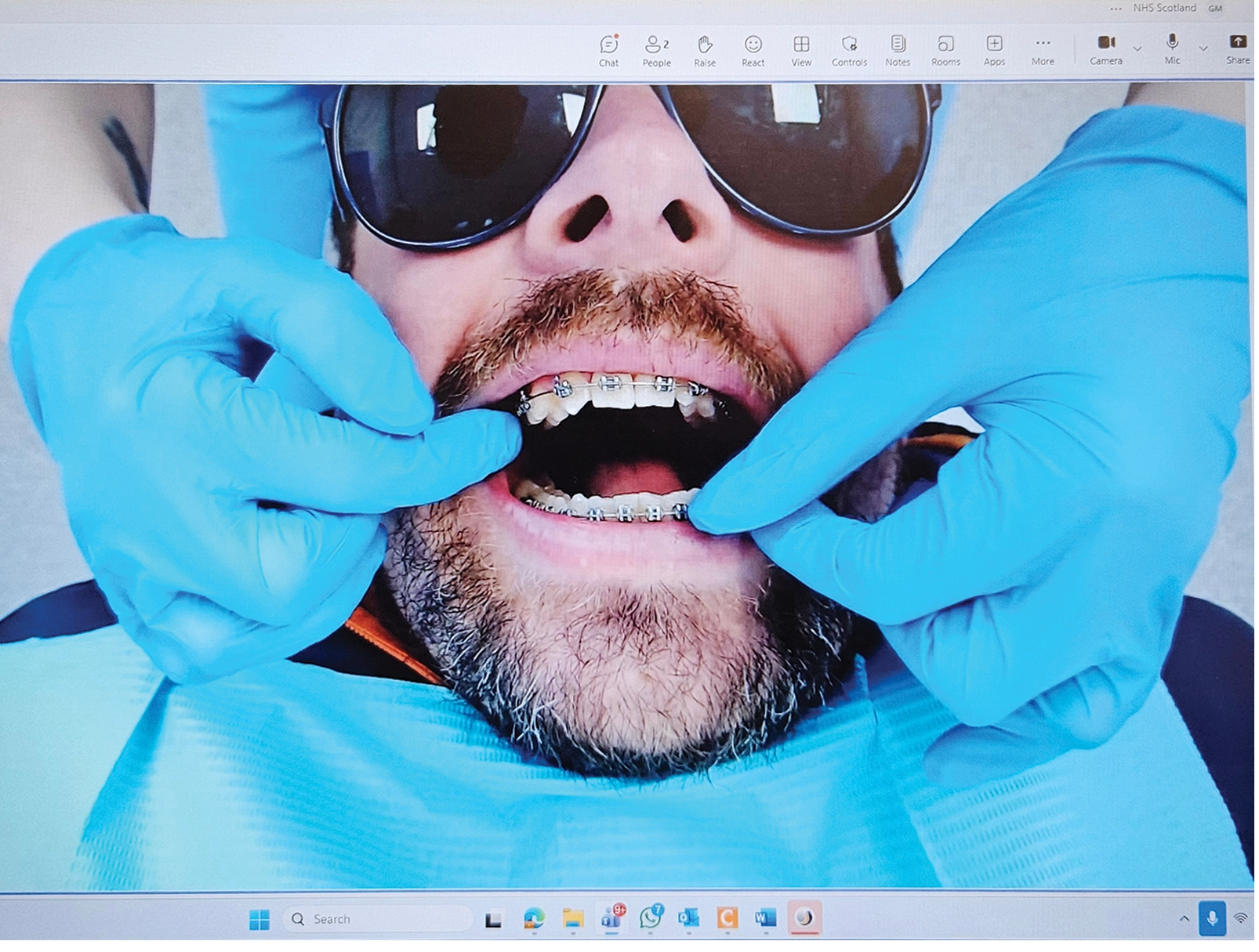
One of the most significant advancements supporting rural orthodontic therapy training has been the introduction of a hybrid remote supervision model. This was implemented by NHS Shetland, supported by visiting specialist orthodontists from NHS Tayside and PSD Scotland.
Using a blended approach of in-person visits and digital solutions – including videoconferencing for new patient assessments, secure digital record sharing, remote case-based discussions, smartphone-based treatment monitoring and telehealth enabled progress reviews – clinical teams have established a safe, effective and robust supervisory framework.
This innovative approach has transformed both orthodontic therapy training and service delivery across many of Scotland’s island communities. It has strengthened clinical oversight, improved service efficiency, and significantly enhanced patient access to care. Crucially, it has enabled mainland-based specialist supervisors to provide real time support for the trainees while maintaining high standards of quality and patient safety.
Grant McIntyre, Consultant and Honorary Professor in Orthodontics, NHS Tayside’s Dundee Dental Hospital and Research School, said: “NHS Shetland enabled the clinical team to integrate a series of individual technological solutions into a service level digital ecosystem. This technological convergence has been instrumental in delivering the innovative hybrid remote supervision model supporting both Orthodontic Therapist training and the transition into long-term team working.
“The key beneficiaries are the patient population who now have access to a predictable clinical service rather than the historical reliance on peripatetic fly-in and fly-out clinicians. With an increase in service capacity and a reduction in waiting times, the population of one of the most remote archipelagos in the UK has a robust service fit for the future.”
Sumithra Hewage, Consultant Orthodontist, NHS Highland, sharing her reflections on the new programme model and implementation of remote supervision, said: “The introduction of Orthodontic Therapy training with remote supervision is a welcome development, creating equitable career opportunities for motivated DCPs in rural areas.
“This model also strengthens local access to specialist-level care and supports sustainable service delivery, especially where specialist recruitment is difficult. Its success depends on strong trust between trainer and trainee. On a personal level, it has been hugely rewarding to help someone realise a career ambition that once felt out of reach.”
Building skill mix and career progression pathways
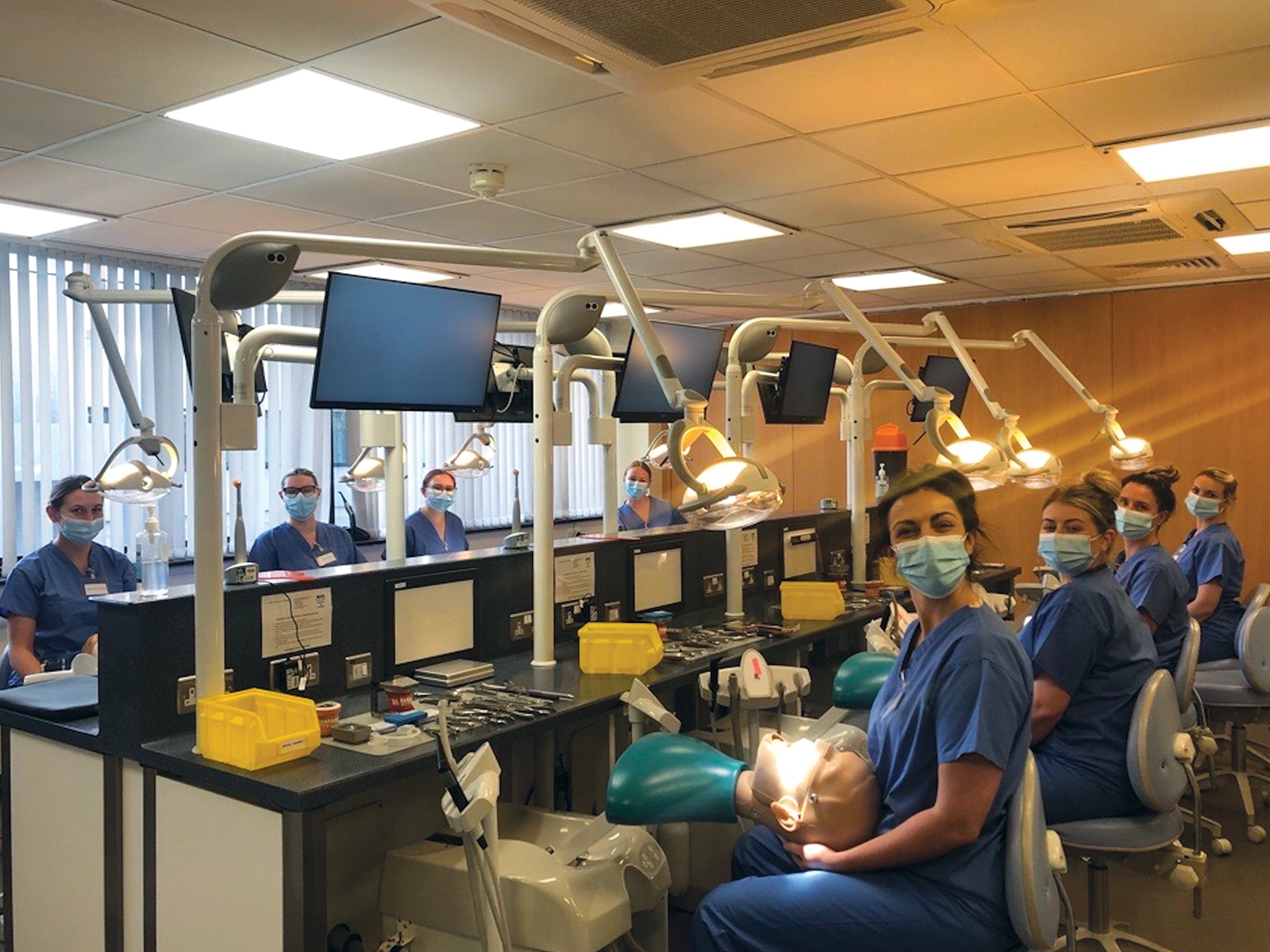
The Orthodontic Therapy Training Programme illustrates the impact that effective skill mix can have in expanding service capacity and building sustainable workforce models across NHS Scotland.
For DCPs, the programme provides a clear and attractive progression pathway, enabling extended clinical responsibilities while retaining experienced staff within local services. For patients, it means improved access to timely orthodontic care within their community.
Miriam Moar and Ingrid Couper, NHS Shetland, who have successfully completed the programme, reflected on the opportunities it has created: “We both feel incredibly lucky and privileged to have been given the opportunity to train as Orthodontic Therapists. These successful outcomes show that, with the right support, barriers can be overcome to help remote and rural communities build the skills they need for a sustainable and resilient workforce.”
Together, these achievements demonstrate how targeted investment in training, flexible learning pathways, and innovative service models can deliver meaningful change for remote and rural orthodontic services. By supporting Dental Care Professionals to develop advanced skills within their own communities, PSD Scotland and NHS Boards are strengthening local capacity, improving equity of access to care, and building a resilient orthodontic workforce fit for the future.
This collaborative, sustainable approach offers a powerful model for addressing workforce challenges and ensuring high quality orthodontic care for patients across Scotland’s most remote and island communities.
Find out more:
Further information on the Orthodontic Therapy programme can be accessed via www.publicservicesdelivery.scot – Turas Learn Public Services Delivery Scotland (PSD Scotland).
Comments are closed here.