
Mothers’ prenatal immunity shapes lifelong resistance to gum disease
The discovery opens the door for potential preventive strategies, such as maternal immunisation
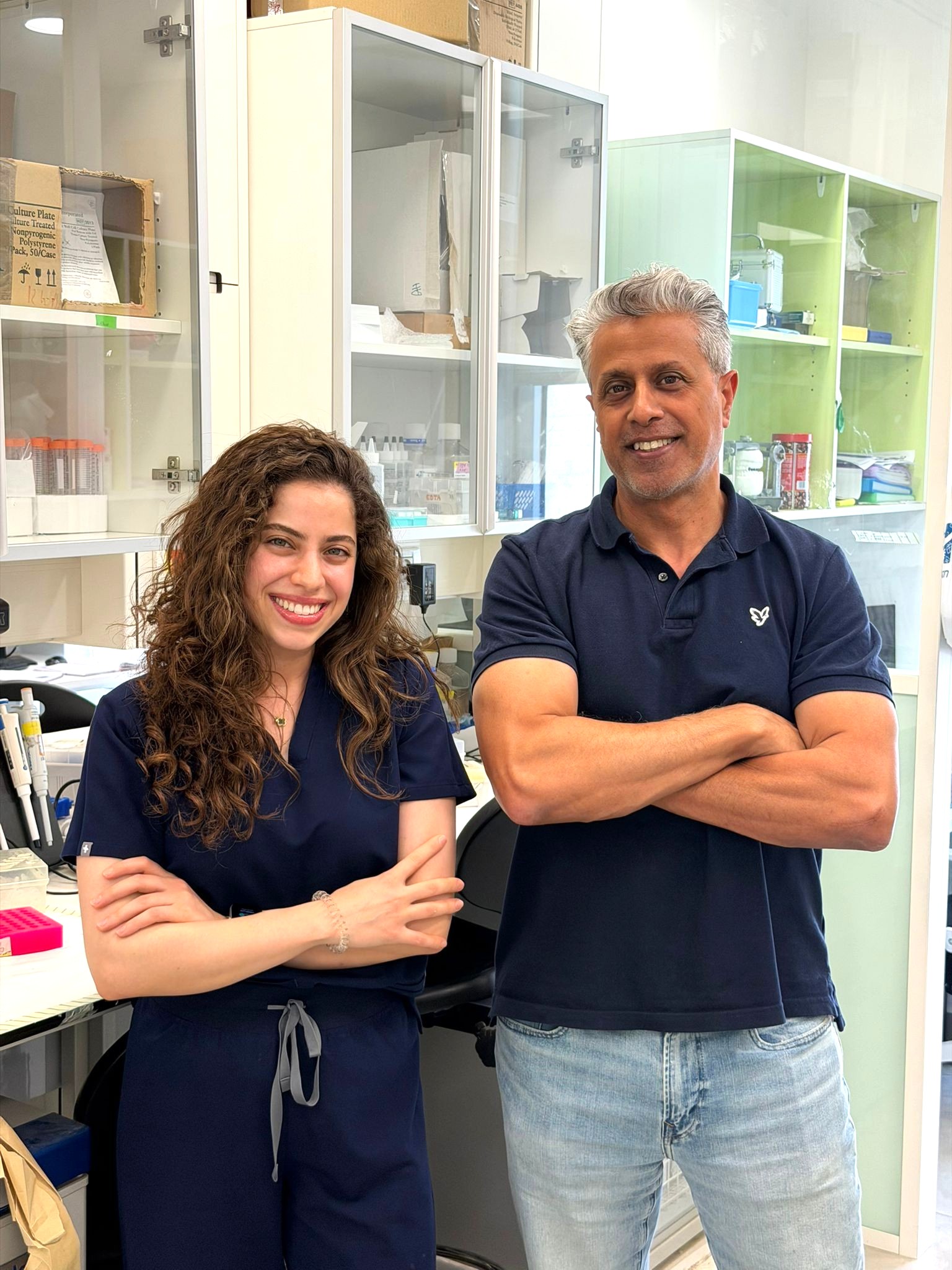
Study leaders DMD/PhD student Reem Naamneh and Professor Avi-Hai Hovav.
Mothers provide a hidden immune legacy that protects their children’s teeth long after weaning is over, according to a new study.
Maternal antibodies act as “early life architects”, programming the mouth to resist aggressive bacteria and prevent the bone loss associated with adult gum disease.
Research by the Hebrew University of Jerusalem focussed on the transition period after birth when the oral cavity is first exposed to a surge of microbes. To navigate this vulnerable stage, mothers provide their offspring with essential immune tools through two distinct pathways: in utero transfer and breastfeeding.
The study found that antibodies transferred during pregnancy, known as in utero-derived IgG, act as a primary architect for the mouth’s immune landscape. These antibodies reach the neonatal salivary glands and are secreted into the saliva. Their presence is crucial for maintaining a healthy balance, as they essentially teach the immune system to remain calm in the presence of friendly bacteria while preparing it for future threats.
In laboratory models, offspring that lacked these prenatal antibodies exhibited hyper-activated immune cells and higher bacterial loads in their salivary glands and gums. This lack of early instruction led to significant changes in adulthood, specifically an increased susceptibility to periodontitis, a condition characterised by destructive inflammation and bone loss around the teeth.
While prenatal antibodies focus on internal immune ‘tone’, those delivered through breast milk serve a different purpose. The research indicates that breast milk antibodies are essential for the proper physical maturation of the oral epithelium, which is the protective lining of the mouth.
These postnatal antibodies help regulate the timing of ‘barrier sealing’, ensuring that the mouth’s protective lining becomes a sturdy defence at just the right moment. This process is highly sensitive to the microbial environment. The study noted that when these antibodies were absent or their effects were disrupted by antibiotics, the physical integrity of the oral barrier was compromised.
The findings offer a new perspective on the origin of oral diseases. The team identified that maternal IgG specifically recognises and binds to certain oral pathobionts, such as the Pasteurellaceae family, which are known to drive aggressive forms of gum disease.
This discovery opens the door for potential preventive strategies, such as maternal immunisation. By vaccinating mothers during pregnancy, it may be possible to enhance the specific antibodies passed to the child, effectively pre-programming their immune system to resist chronic oral infections later in life. This research suggests that the foundations of a healthy adult smile are laid even before the first tooth appears.
It was led by Professor Avi-Hai Hovav and DMD/PhD student Reem Naamneh from the Faculty of Dental Medicine. Their paper titled, Maternal Antibodies Regulate the Establishment of Oral and Salivary Mucosal Immunity was published in Nature Communications and can be accessed at https://doi.org/10.1038/s41467-026-71704-5
Comments are closed here.