

Modelling the potential impact of water fluoridation on dental caries in Scotland
Reintroduction could offer important public health benefits, according to study.
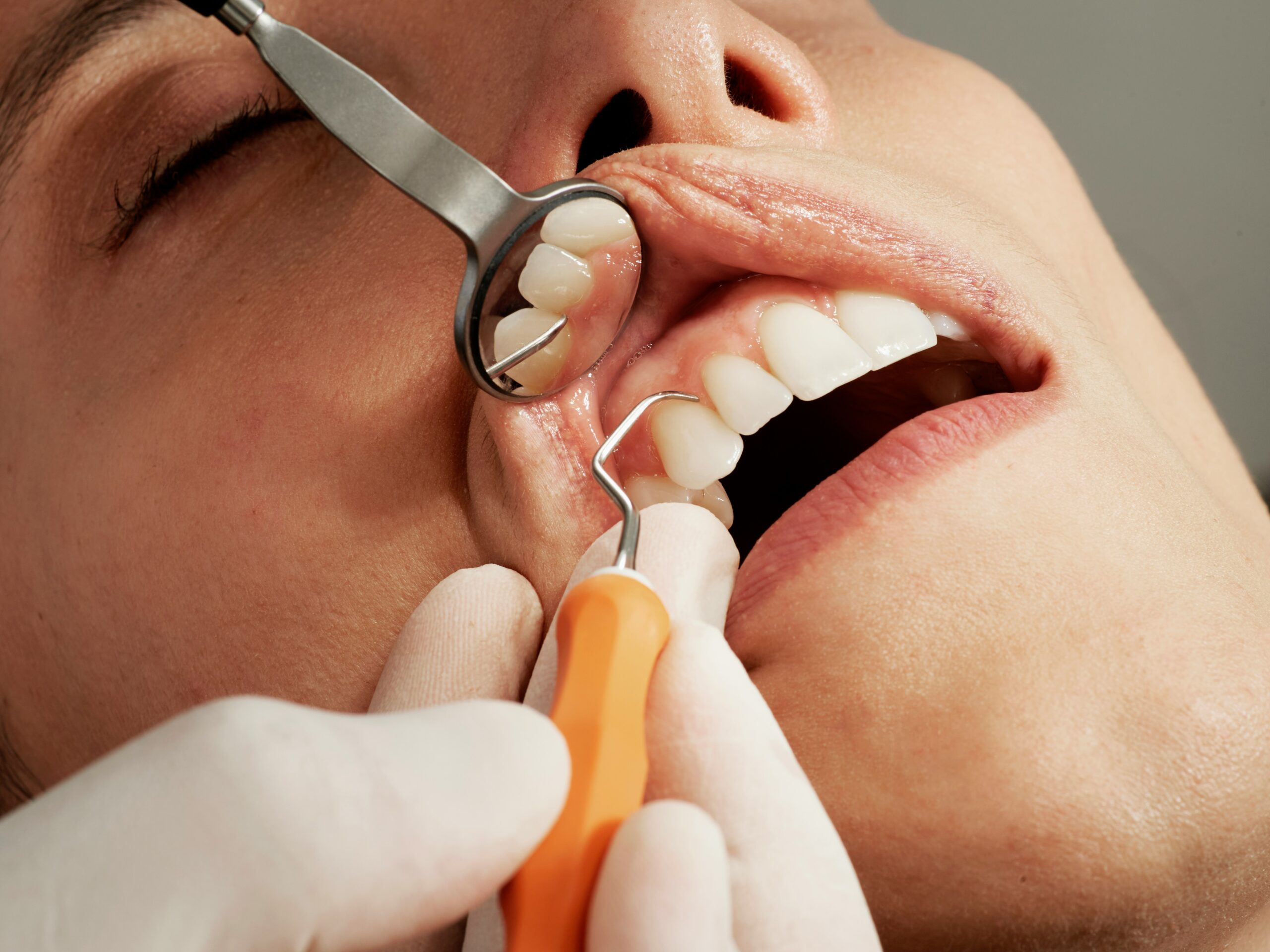
Picture by https://unsplash.com/@carocaro1987
The reintroduction of water fluoridation in Scotland could offer important public health benefits, according to a new study.
Dental caries remains a significant public health issue in Scotland, said the study’s authors. “While the Childsmile programme has improved children’s oral health, recent data suggest that improvement has plateaued and inequalities persist,” they said.
Despite strong evidence for its effectiveness, there are currently no active water fluoridation schemes in Scotland.
The aim of the study was to estimate the potential impact of water fluoridation on dental caries among Scottish children using data from the National Dental Inspection Programme (NDIP) and published effect sizes, with a focus on socioeconomic variation.
Data were obtained from the 2023 and 2024 NDIP reports and effect sizes were sourced from the 2024 Cochrane Review. Predicted post-fluoridation values were calculated by subtracting effect sizes from baseline dmft/DMFT (decayed, missing, and filled primary and permanent teeth) values and caries-free proportions.
The results of the study showed that overall mean dmft/DMFT were reduced and caries-free proportions were increased among Primary 1 and Primary 7 children.
All Scottish Index of Multiple Deprivation quintiles showed predicted improvements in dental caries outcomes across both age groups. Greater absolute improvements were seen in the least deprived groups.
The key points of the study are:
- Water fluoridation may lead to improvements in children’s dental health.
- The study provides early evidence that could support renewed public health discussions around fluoridation in Scotland.
- The paper offers a practical tool for policymakers to visualise the impact of fluoridation using existing national data.
Comments are closed here.