
What makes tomatoes red may also influence people’s risk of gum disease
People with adequate lycopene intake had about one-third the risk of severe periodontitis.
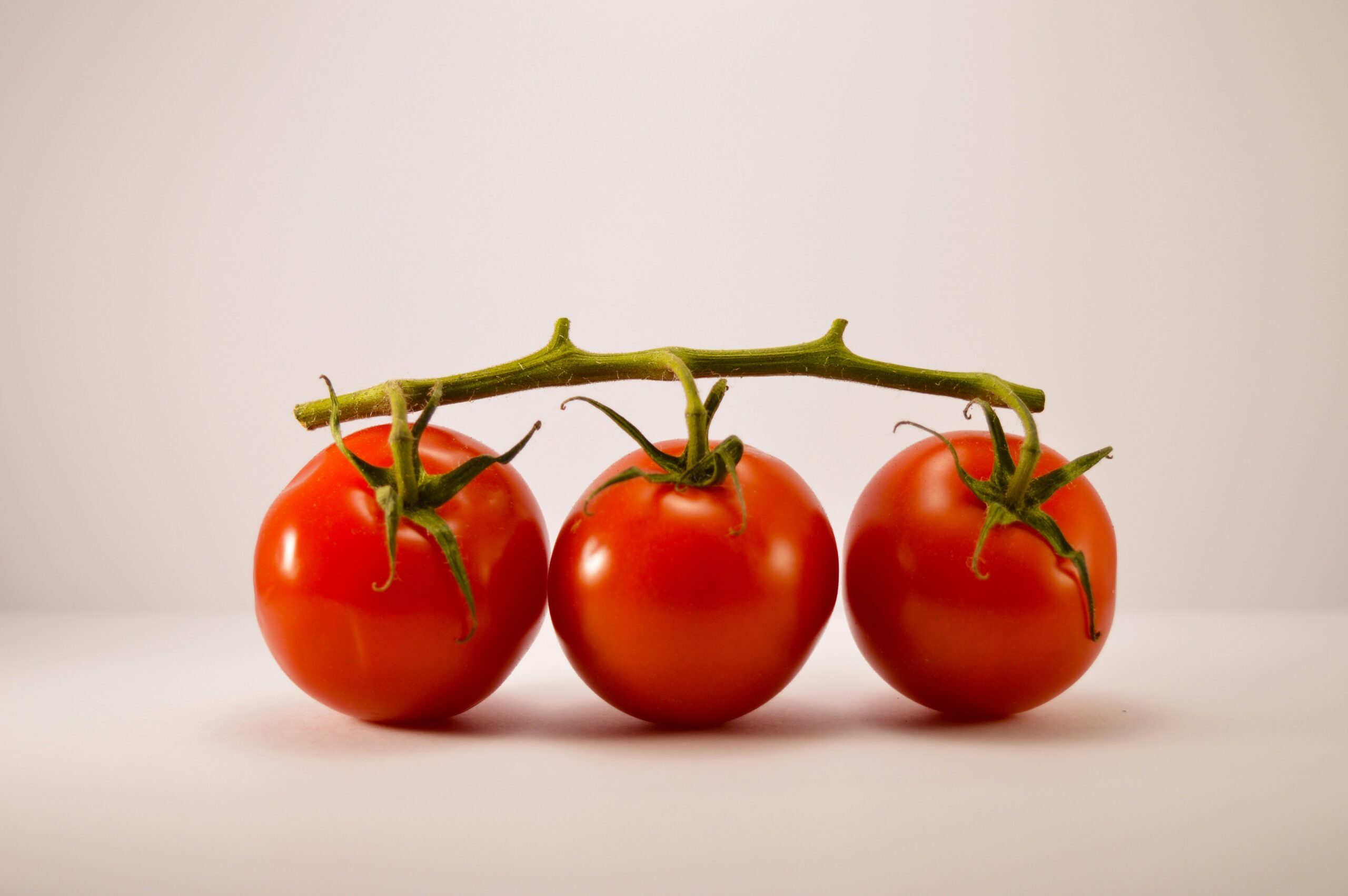
Picture by Alex Ghizila
Not getting enough lycopene, the antioxidant that gives tomatoes their red colour, may raise the risk of severe gum disease in older adults, a US study has found.
Researchers found that older people with adequate lycopene intake had about one-third the risk of severe periodontitis compared with those who fell short.
They examined health and nutrition data from 1,227 participants in the country’s National Health and Nutrition Examination Survey (2009-2014). Nearly half of the older adults included in the study – 48.7% – showed signs of periodontitis. At the same time, more than three quarters, or 77.9%, were not consuming enough lycopene. Lycopene is a carotenoid found mainly in tomatoes and other red fruits.
After accounting for factors such as age, sex, race, smoking habits and education level, the researchers found a strong association between lycopene intake and gum health. Older adults who met recommended lycopene intake levels had roughly one third the odds of severe periodontitis compared with those whose intake was insufficient.
According to the authors, the results suggest that dietary lycopene could be an important factor that can be changed to help prevent severe gum disease in older adults. However, they caution that the study design was cross-sectional, meaning it cannot prove that low lycopene intake directly causes gum disease.
The research was led by Katherine Kwong from the Department of Human Development at Connecticut College in New London, Connecticut. She worked with scientists from Tulane University, the University of California San Diego, Yunnan University, Southern Illinois University and Louisiana State University Health Sciences Center.
It was published in The Journal of nutrition, health and aging.
Comments are closed here.