

Toxin levels in fish lead to calls for UK-wide ban on mercury fillings
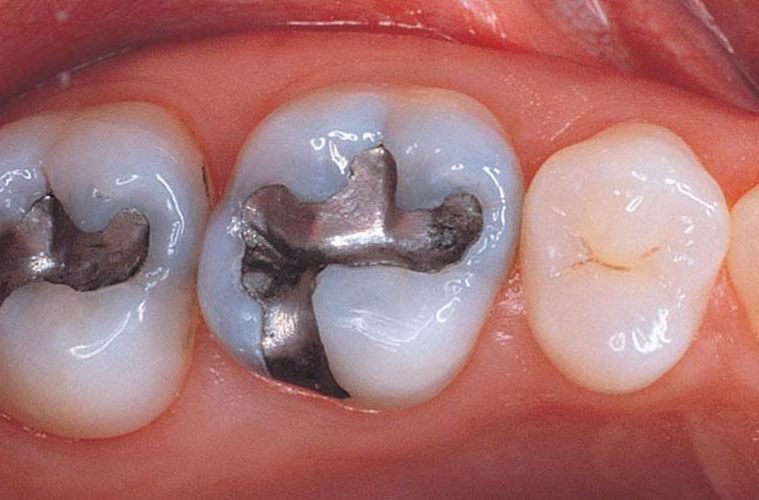
The UK is facing increasing pressure to ban mercury dental fillings as new data reveals alarming contamination levels in the nation’s fish and shellfish.
Mercury is a neurotoxin that can harm the nervous, digestive and immune systems, as well as the lungs, kidneys, skin and eyes.
Britain is lagging behind the rest of the world on phasing out mercury dental fillings, reports The Guardian, with 43 countries having already banned mercury amalgam. Northern Ireland will outlaw mercury fillings from 2035 but no such ban is planned in the rest of Britain.
According to new analysis by the Rivers Trust and Wildlife and Countryside Link, more than 98% of fish and mussels tested in English rivers and coastal waters contain mercury above safety limits proposed by the EU, with more than half containing more than five times the recommended safe level.
Mercury from dental fillings enters the environment mainly through crematorium emissions, which release vaporised metal into the air when people with amalgam fillings are cremated. The mercury then settles on land and washes into rivers and seas.
According to Environment Agency data, crematoriums are the second-largest source of mercury emissions to air after fuel combustion. Power stations contribute about 846kg mercury emissions to air, followed by crematoria, with 593kg, road transport, 228kg, domestic combustion, 194kg and cement processes, 140kg.
“Banning mercury fillings is an easy and cost-effective way to cut pollution, helping to make our rivers cleaner and boost struggling wildlife,” said Richard Benwell, chief executive of Wildlife and Countryside Link. “A global deal will be on the table in November – the UK should stop dragging its heels and commit to a phase-out.”
At the upcoming Minamata convention on mercury next month, governments will debate a global phase-out of dental amalgam by 2030.
However, Eddie Crouch, the British Dental Association’s chair, is quoted by The Guardian as saying: : “Dental amalgam is tried and tested material and pulling the plug without a transition period would effectively bankrupt NHS dentistry. Amalgam separators are already in use in every dental practice in Britain to manage this risk. We would encourage crematoria to make use of available technology to do the same.”
Comments are closed here.