
Campaigners call for an end to cleft dental crisis
Survey reveals people with cleft twice as likely to face barriers to NHS dental care.
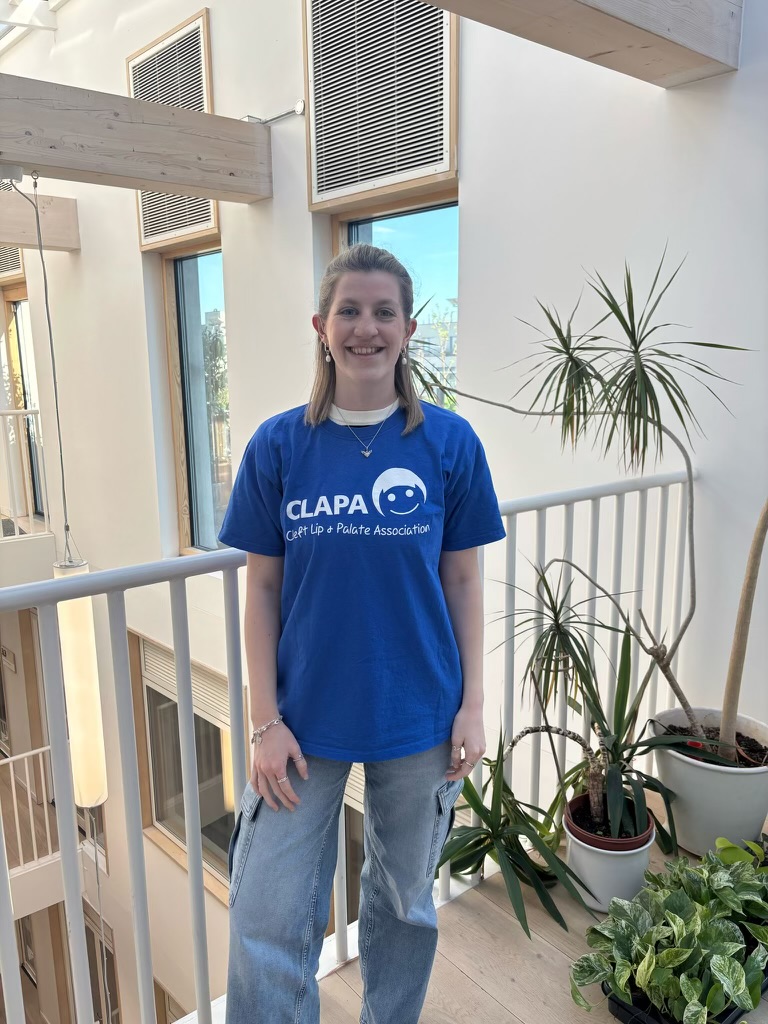
Claudia Pieczka
Claudia Pieczka says she endured many years of painful and preventable treatment from NHS dentists who, she says, did not understand her dental needs.
The 23-year-old teacher was born with a cleft lip and palate, a lifelong condition that affects one in 700 people and severely impacts tooth enamel and growth. Despite this, a survey from the Cleft Lip and Palate Association (CLAPA), the UK’s cleft support charity, has found those born with cleft are twice as likely to face barriers to dental care.
“At one point I had to have five fillings because my enamel had broken away due to my cleft, and an infected tooth removed, all of which could’ve been prevented,” said Claudia. “NHS dentistry is in crisis, especially for people with added needs like cleft. The NHS dentists I’ve met never understand what a cleft is.”
Following its survey, CLAPA has launched its Cleft Dental Crisis campaign, urging politicians and the NHS to:
- guarantee access to lifelong NHS dental care for people with cleft
- standardise cleft training and professional development for NHS dentists
- better integrate care between dentistry and cleft treatment pathways
- and clearly report on dental access for people with cleft.
It includes a letter campaign and public petition that has reached almost 2,000 signatures in its first six days.
Claudia says she was recently forced into expensive private dentistry because of what she describes as a lack of understanding and care in the NHS. “If I was still with an NHS dentist, my teeth would be horrendous now,” she said.
“I’m very lucky my parents can afford to pay, as dental treatment with additional cleft needs can be very expensive, but I’ve friends with cleft who have to pay for private treatment themselves. One of them had to get a job when she was 15, just to pay for a dentist.”
CLAPA’s survey of more than 400 members of its community found:
- almost half (49%) struggled to access local NHS dental services
- 38% were unable to afford dental treatment
- 42% received inadequate care due to lack of cleft dental training
- and 7$ refused NHS dental treatment due to their cleft needs.
This contrasts with 28% of the general population unable to find a local dentist and 16% avoiding dental care because of the cost (Great British Dental Survey by MyDentist 2022/23).

Anne Duarte, who is in her mid 60s, was born with a cleft lip and palate and ended up with “rampant gum disease” requiring hospital treatment, after she said NHS dentists ignored the health of her teeth for decades.
“The dentists would look at the top teeth but ignore the area around my cleft, including my cleft denture and gums,” she said. “Dentists are supposed to check for gum disease, which can be more prevalent with cleft. But by the time I got to the dental hospital I had rampant gum disease. We need more knowledgeable dentists, and those keen to learn about what, for most of us, is a lifelong dental condition.”
Claire Cunniffe, CLAPA’s chief executive, said: “Every day, three babies are born with a cleft – making it one of the most common congenital conditions in the UK. Despite additional dental needs, we constantly hear from our community about their struggles to access essential NHS dental care.
“The results of our survey are shocking. When we saw the percentages of people not being able to access proper NHS dental care, we knew we had to act – and launched our Cleft Dental Crisis campaign to make politicians and the NHS listen to these concerns.”
Comments are closed here.