

Why does it hurt being a dental professional?
Musculoskeletal pain in dentistry is expected and accepted – but you can effect change.

Being a dental professional is demanding, both physically and mentally. The repetitive motions and sedentary nature of treating patients often lead to musculoskeletal pain and discomfort.
Even with precautions and ergonomic equipment, many dentists and dental professionals still face a high risk of developing work-related injuries. This constant physical strain can affect their long-term wellbeing and make the profession challenging to sustain.
Many dental professionals consider early retirement to escape the physical and emotional toll of the job. However, this choice brings significant challenges, including financial implications and the loss of valuable expertise within the dental community.
Maintaining a neutral posture does notmean staying still; movement is the key
Anita Hosty
In one study, musculoskeletal disorders were the most common cause of ill-health retirement among dental professionals, accounting for 55% of cases. In another, musculoskeletal issues contributed to more than 10% of the 185.6 million working days lost due to sickness or injury.
Early on, as a dental nurse, I developed lower back pain from working without an assistant chair. I requested one from my employer, but even with the chair, the pain persisted. Years passed, and I began to accept the persistent pain as part of my daily life, even considering a career change.
I eventually took up the gym, focusing on Pilates, Bodybalance, and Tai Chi. Over time, these exercises reduced my aches and pains, leading to a noticeable improvement in my physical wellbeing. Life sometimes interfered, causing me to pause my exercise routine. However, I always returned to it because of the clear benefits. The good thing is that you can always resume your routine once circumstances allow.
Is prevention the key?
For dental professionals, musculoskeletal pain is common. However, addressing it proactively through self-care, regular breaks and seeking professional help is essential. By prioritising their wellbeing and adopting healthy habits, they can mitigate the negative effects of their demanding profession and continue to provide quality care.
Prevention is not just easier and cheaper, it is a fundamental investment in your long-term health. Taking care of your body now means you can avoid a lifetime of reactive, expensive and often painful treatments later.
How your body reacts while you work
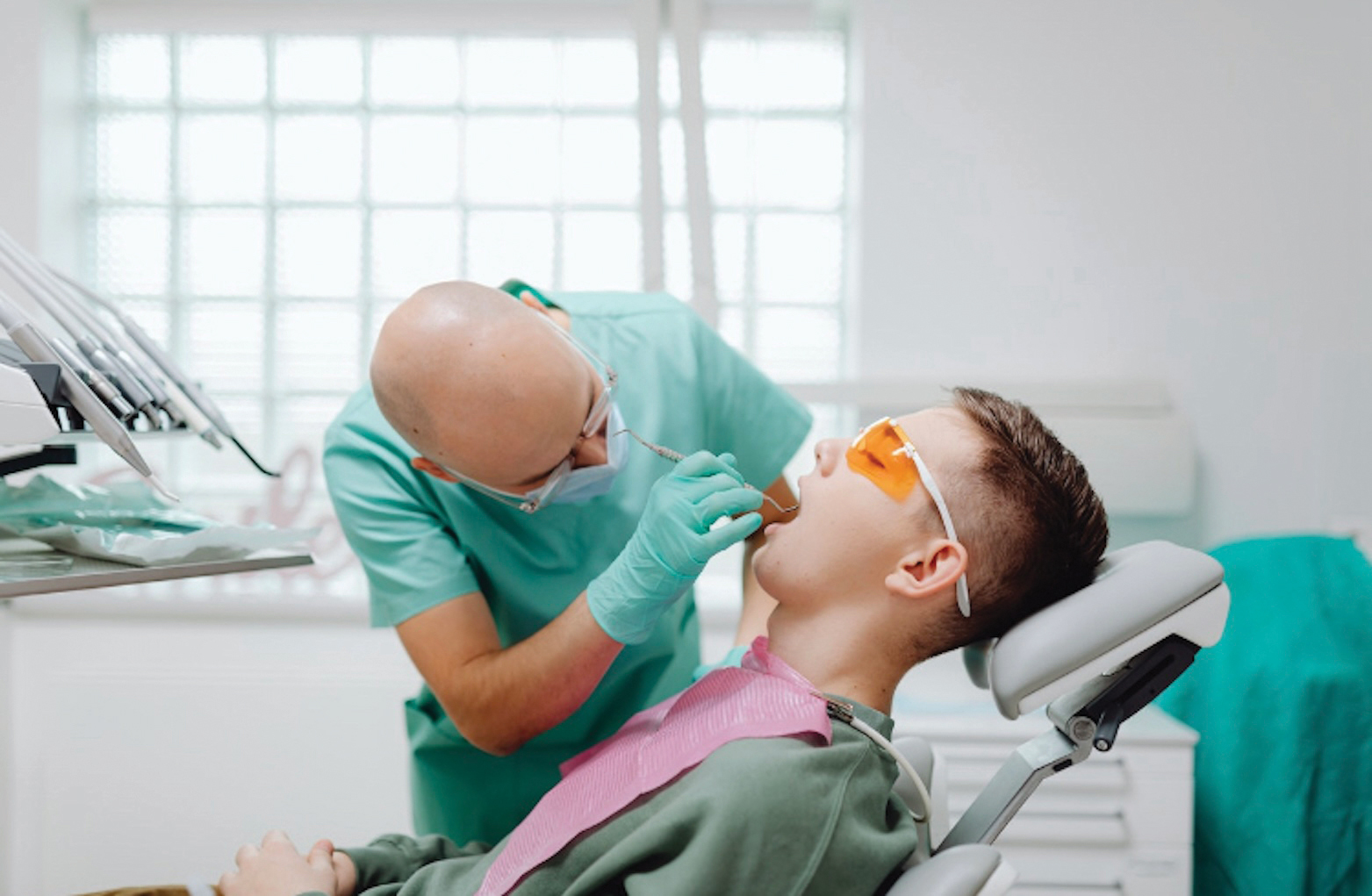
When you are focused on your work as a dental professional, your mind prioritises the patient, often ignoring what is happening to your body. This intense concentration can lead to several physical issues:
- Poor posture: Your shoulders may creep up, your upper body can hunch forward, and your head often juts down and forward. These positions are a natural response to trying to access the small, dark environment of a patient’s mouth. Unfortunately, they often lead to significant strain.
- Muscular strain: This compromised posture puts your body out of its natural alignment, leaving your core muscles unsupported. Daily twists and awkward movements while working can lead to muscular tension, stiffness and pain.
- Stress and fatigue: Incorrect time management can cause stress, which makes your muscles tense up, contributing to stiffness and pain. The combination of mental and physical strain can leave you feeling exhausted by the end of the day, which can ultimately lead to burnout.
These physical challenges and the pain that follows can create a vicious cycle, distracting you from your work and making your job even more stressful.
Dental professionals often experience pain due to a combination of physical and lifestyle/occupational factors. This is primarily caused by static and awkward postures maintained for long periods.
Physical factors
Working on a patient forces you to hold one position for an extended time, which keeps your muscles inactive. This can lead to a weak core, back and shoulder muscles. A weak core also impacts your pelvic floor, a group of muscles that supports your internal organs and is essential for stability. This contributes to poor balance and poor posture, as your body is not adequately supported in its neutral alignment.
Lifestyle and occupational factors
Beyond the physical positions you’re in, the nature of the job itself contributes to pain. Repetitive strain, especially in the hands and wrists, is common from performing small, precise movements. Additionally, dentistry is a stressful profession, and stress can cause your muscles to tense up, leading to further stiffness and pain. The demanding nature of the job with long working hours often leads to an inactive and sedentary lifestyle with poor work-life balance, which can exacerbate physical pain and lead to both physical and mental burnout.
Rethink your approach to ergonomics. Instead of solely relying on tools like saddle seats and loupes, consider your body the most crucial tool. By mastering proper posture and movement, you can make your body work with you, not against you, to prevent pain and injury.
Developing a good, neutral posture is a vital habit for dental professionals. To achieve this, simply ask yourself one question throughout the day: “How is my posture?” This quick self-check, especially before seeing your patient, is a powerful reminder. You already know what correct posture feels like; this question helps you make a natural, immediate adjustment.
Mastering a neutral posture is essential for dental professionals. By following these simple steps, you can train your body to work with you, not against you, throughout the day:
- Sit or stand tall: Elongate your spine as if a string is gently pulling your head toward the ceiling.
- Maintain natural curves: Let your spine keep its natural S-shape.
- Align your head: Keep your chin parallel to the floor, eyes gazing straight ahead.
- Relax your shoulders: Roll your shoulders down and back, gently squeezing your shoulder blades together.
- Breathe easily: This position should feel natural, not forced, allowing for full, deep breaths.
Remind yourself to check your posture as often as you can, especially when you are speaking with a patient. About 20% of your work involves talking to patients about their oral health, which is a great opportunity to practise these steps and reinforce good habits.
Being aware of bad habits is the next step toward correcting them. One of the most common issues is raising the shoulders and holding tension without realising it. Additionally, be mindful of awkward, bad twists performed by dental professionals to access a patient’s mouth. These small, repeated actions cause significant strain over time.
Maintaining a neutral posture does not mean staying still; movement is the key. The general government exercise recommendations for adults are:
- Aerobic activity: At least 150 minutes of moderate-intensity or 75 minutes of vigorous-intensity activity per week. This should be spread out over four to five days or every day.
- Strengthening: Activities that work all major muscle groups should be done at least two days a week.
- Reduce sedentary time: Break up long periods of sitting or lying down with some form of activity.
Posture tips for sitting
Here are some tips for maintaining a good neutral posture while sitting at work:
- Align your body: Keep your head, shoulders and hips on the same vertical plane.
- Adjust your hips: Ensure your hips are positioned higher than your knees.
- Plant your feet: Keep your feet flat on the floor for stability.
Spinal mobility exercises
Maintaining a neutral posture is vital, but so is the movement. Your body needs a break from static positions, and these simple exercises can help improve spinal mobility and relieve tension.
The Hug
This exercise helps stretch your upper back and shoulders.
- Inhale while sitting or standing and raise your arms out to the sides.
- Exhale as you wrap your arms around yourself, hugging yourself.
- Focus on extending your upper spine and feeling a gentle stretch.
- Repeat the movement.
The Modified Hug
This variation adds gentle spinal flexion to increase mobility.
- Inhale while sitting or standing and raise your arms out to the sides.
- Wrap your arms around yourself.
- Exhale as you move your upper trunk down to your knees, rounding your upper back, then back up again with your upper trunk.
- Repeat the movement, alternating which arm is on top each time.
Side bend for spinal mobility
This exercise helps to improve the flexibility of your spine and the muscles along your sides.
- Sit or stand straight on the floor with good posture.
- Inhale as you slowly raise your arms up to above your head. Keep shoulders down.
- Exhale as you bend your torso to one side, moving your arms in the same direction. Feel a gentle stretch along the opposite side of your body.
- Inhale as you return to the centre.
- Exhale as you repeat the movement to the other side.
- This exercise can be done a few times on each side to help release tension from a long day of work.
Beginner/intermediate Teaser
The Teaser is a challenging Pilates exercise that builds core strength, balance, and control. It requires a strong core and good balance. Here are simplified versions for different skill levels.
- Sit on the floor with your knees bent and feet flat on the ground.
- Lean back with your upper body, engaging your core. Your hands should be on the floor behind your back for support.
- Lift one knee at a time, then place it back down.
- Repeat with the other leg. To increase the challenge, you can try raising your arms off the floor while lifting your knees.
Advanced Teaser
- Sit on the floor, engage your core muscles and keep engaging.
- Lean back with your upper body, using your hands on the floor for stability.
- Lift one knee/leg up, then the other, and hold them up together in a V shape.
- For the full Teaser, raise your arms above your head and hold this position for up to 20 seconds.
- Repeat the exercise as desired.
Get assessed!
For a free assessment of musculoskeletal issues for your team member or yourself, contact Anita:
Email: contact@loosehands.com
Web: www.loosehands.com
Facebook: Loose Hands for Dental Professionals
Instagram: @loose_hands_for_dental_pro
About the author
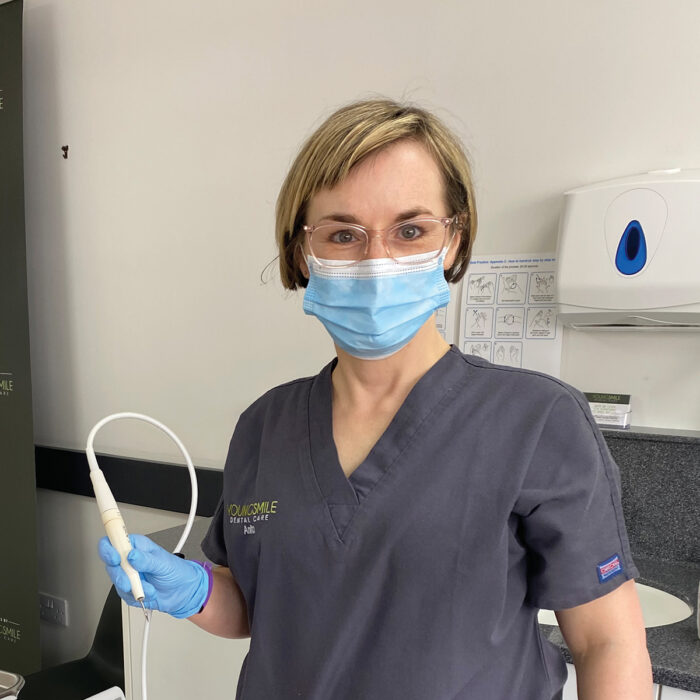
Anita Hosty is a Registered Dental Hygienist and fitness instructor. She is the creator of Loose Hands, an ergonomic and fitness programme for dental professionals.
Comments are closed here.